

Quick Summary
To find authentic irish makers, search by craft plus a provenance term such as "[craft] handmade Ireland", then add a county. Confirm the maker through a Design & Crafts Council Ireland or guild listing, and check that they name themselves, their studio location and their process.
- Combine your craft with a phrase like "made in Ireland" rather than searching Irish styling alone.
- Check Design & Crafts Council Ireland, LEO craft listings and craft guilds for curated makers.
- Look for a named maker, a studio address or county, and process photographs on their own site.
- A marketplace badge or 'designed in Ireland' label does not confirm the item was made in Ireland.
- Ask a maker where and how the item is made, and where main materials come from.
Table of Contents
- Why Authenticity Matters When Buying Irish Crafts
- Where to Start Your Search for Irish Makers Online
- Searching by Location and Craft Category
- How to Verify That a Product Is Genuinely Irish-Made
- Questions to Ask a Maker About Materials and Production
- Choosing Irish-Made Gifts That Feel Personal
- Booking Your First Irish-Made Gift Box Order
- Frequently Asked Questions
How to Find Authentic Irish Makers Online and In Person
Last Updated: November 1, 2026
Why Authenticity Matters When Buying Irish Crafts
Irish-made gifts carry a real story, but not every product labelled "Irish" lives up to it. Some items are assembled from imported parts, and some are designed in Ireland but made elsewhere. At Hug in a box.ie, we think a gift should feel as personal as the person giving it, and that starts with knowing where it came from.
Knowing a maker is genuine matters for three reasons:
- You get the quality you expect. Hand-finished work usually shows in the detail.
- Your money supports local craft. Buying from a real maker keeps skills and small businesses going.
- The gift means more. Recipients can tell when something was made with care.
A common mistake is assuming "handmade" and "Irish-made" mean the same thing. They don't. A product can be hand-finished in a workshop abroad, and a product can be made in Ireland with mass-produced parts. Ask the right questions and you'll spot the difference fast.
Where to Start Your Search for Irish Makers Online
Most independent makers do not pay for prominent advertising, so the first page of a generic search is often dominated by retailers and marketplaces rather than the studios themselves. A short, repeatable workflow will surface the makers faster than browsing shop lists.
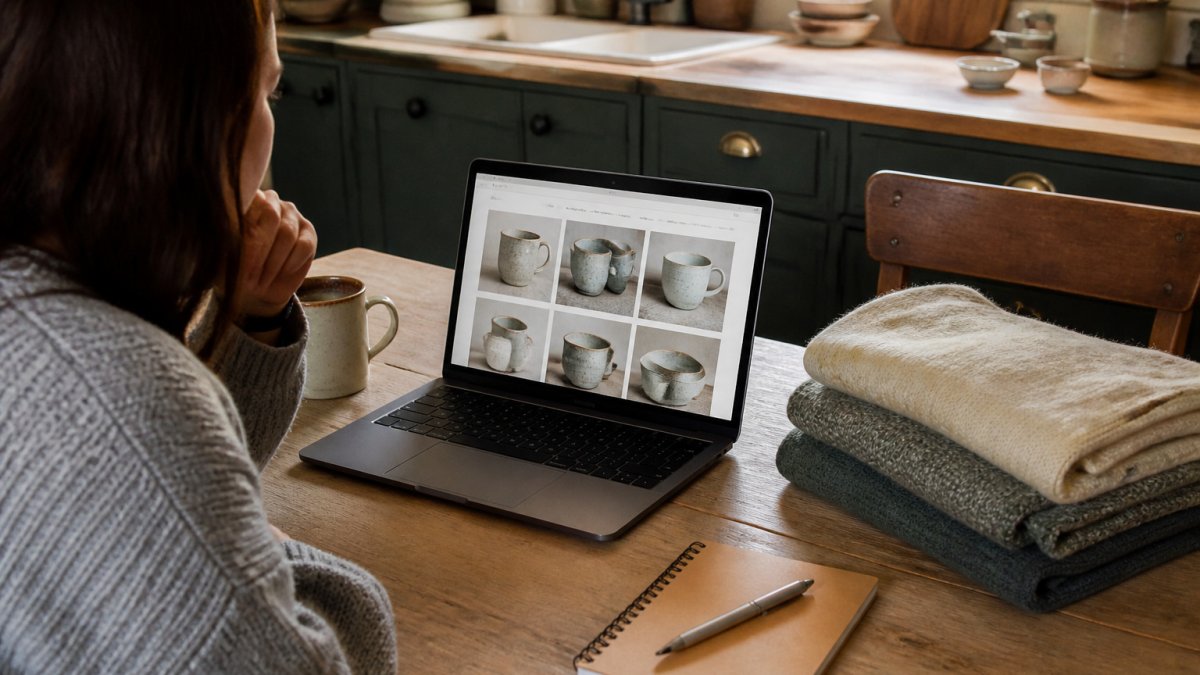
Step 1: Search by craft plus a provenance term
Combine the craft you want with a phrase that signals local production, not just Irish styling. Useful search strings include:
-
[craft] handmade Ireland, e.g.ceramic mug handmade Ireland -
[craft] studio Ireland, e.g.jewellery studio Ireland -
[craft] made in Ireland, e.g.wool scarf made in Ireland -
[craft] Irish maker, e.g.woodturner Irish maker
Add a county or town once you have a shortlist: potter Galway, weaver Kilkenny, silversmith Cork. This narrows results to studios that name their location, which is itself a useful authenticity signal.
Step 2: Use the directories makers actually join
Rather than relying on a single marketplace, check the organisations that curate makers by discipline and county. These include:
- Design & Crafts Council Ireland (DCCI), a national body for craft and design in Ireland.
-
Local Enterprise Office (LEO) craft listings, search
LEO [county] craft directoryto find local craft businesses. - Craft guilds and associations, for example the Guild of Irish Lacemakers, the Irish Guild of Weavers, Spinners and Dyers, and the Ceramic Artists Ireland network.
Design & Crafts Council Ireland maker directory
Step 3: Check the maker's own channels
Once you have a name, look for the maker's own website and social accounts rather than only the marketplace listing. A working studio usually shows:
- A named maker and a studio address or county
- Process photographs, clay being thrown, cloth on the loom, metal being soldered
- A shop page that lists materials and dimensions
- A contact route that is not only a generic form
Step 4: Cross-check before you buy
A maker who appears in a DCCI or guild directory, names a county, and shows process photos is a low-risk bet. A listing that uses Irish imagery but names no maker, no county and no materials is worth skipping. The next section sets out the verification checks in full.
The four steps below set out the workflow for finding a genuine Irish maker online, with the time or action each one calls for.
| Step | What to do | Key check |
|---|---|---|
| Step 1 | Combine craft with a provenance term | Include a county once you have a shortlist |
| Step 2 | Check directories makers join | DCCI, LEO listings, craft guilds |
| Step 3 | Check the maker's own channels | Named maker, studio address, process photos |
| Step 4 | Cross-check before buying | Directory listing, named county, process photos |
Searching by Location and Craft Category
Narrowing by craft and county is the fastest way to move from a generic search to a shortlist of real studios. The notes below cover the main craft categories and the regions where each is concentrated, with search terms you can use straight away.
Pottery and ceramics
Studio pottery is spread across the country, with clusters in counties Kilkenny, Cork, Galway and Wicklow. Search potter [county] or ceramic studio [county] and look for a studio that describes its clay body, glaze type and firing method (e.g. stoneware, reduction-fired). Makers who run classes often publish open-studio hours, which makes a visit easy to plan.
Textiles, wool, tweed and linen
Traditional textile production is strongest in counties Donegal (tweed), Kilkenny and Carlow (wool and weaving), and along the western seaboard where hand-weaving and knitting traditions persist. Search handweaver [county], wool mill [county] or linen [county]. Check whether the product names the fibre and the place of weaving or finishing, 'Irish design' alone does not confirm where the cloth was made.
Jewellery and silversmithing
Contemporary jewellers and silversmiths are concentrated in cities and larger towns, with strong studio clusters in Dublin, Cork, Galway and Kilkenny. Search silversmith [county] or contemporary jeweller [county]. Look for a maker who describes casting, forging or hand-finishing methods and who lists metal purity (e.g. sterling silver, 9ct or 18ct gold).
Woodwork and furniture
Furniture makers and woodturners often work from rural workshops. Search furniture maker [county], woodturner [county] or green woodworker [county]. A maker who names the timber species and its source (e.g. native ash, oak or yew) is usually working from local or traceable stock.
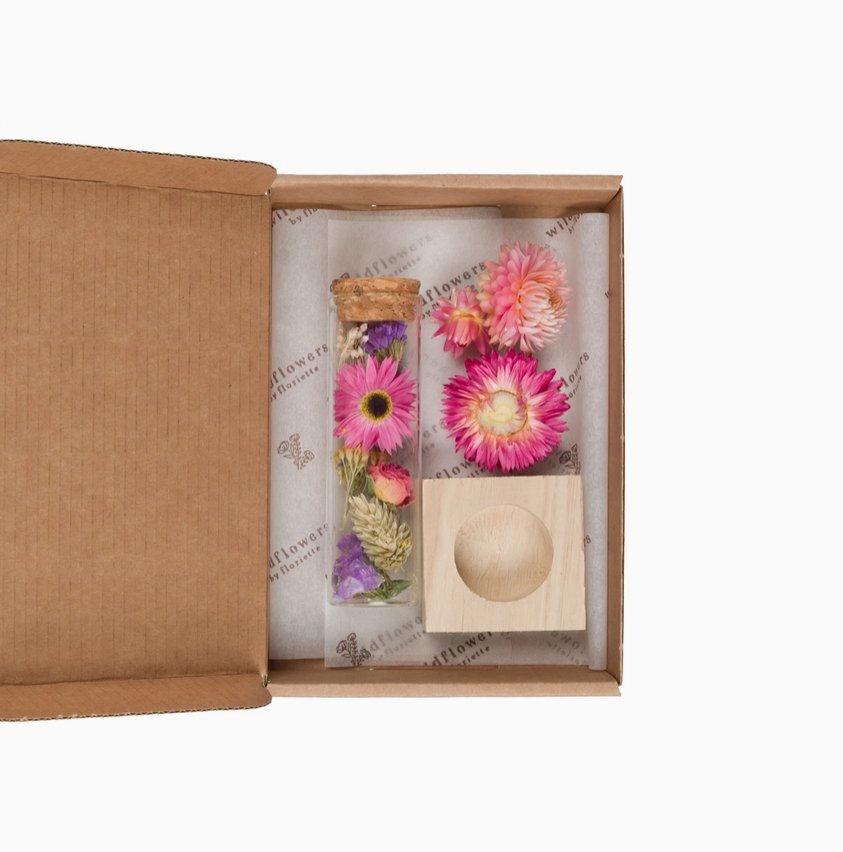
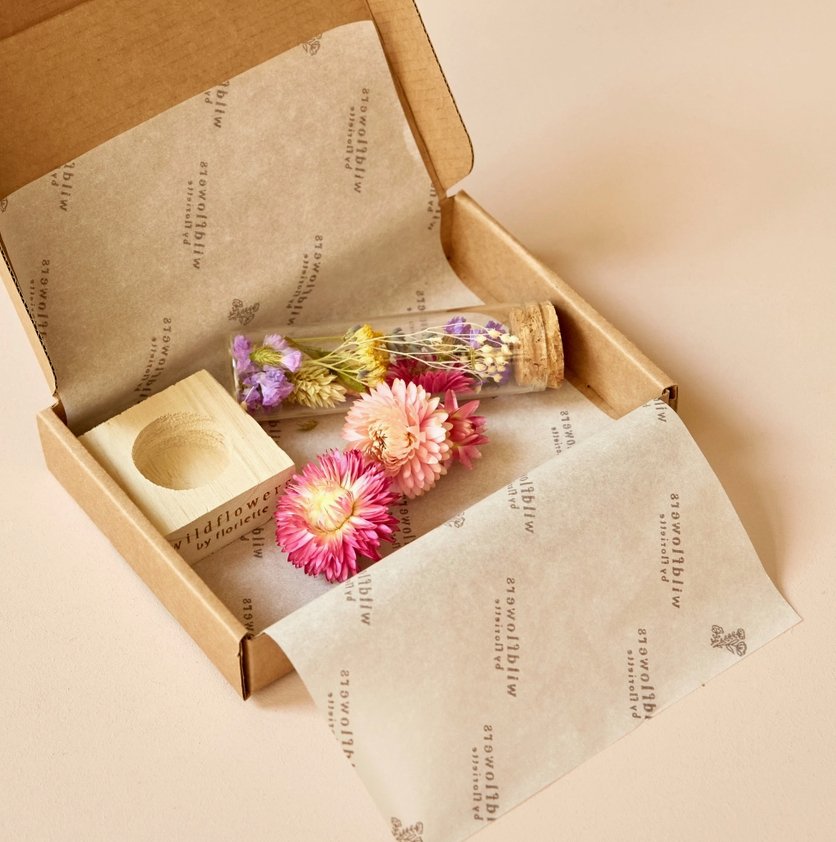
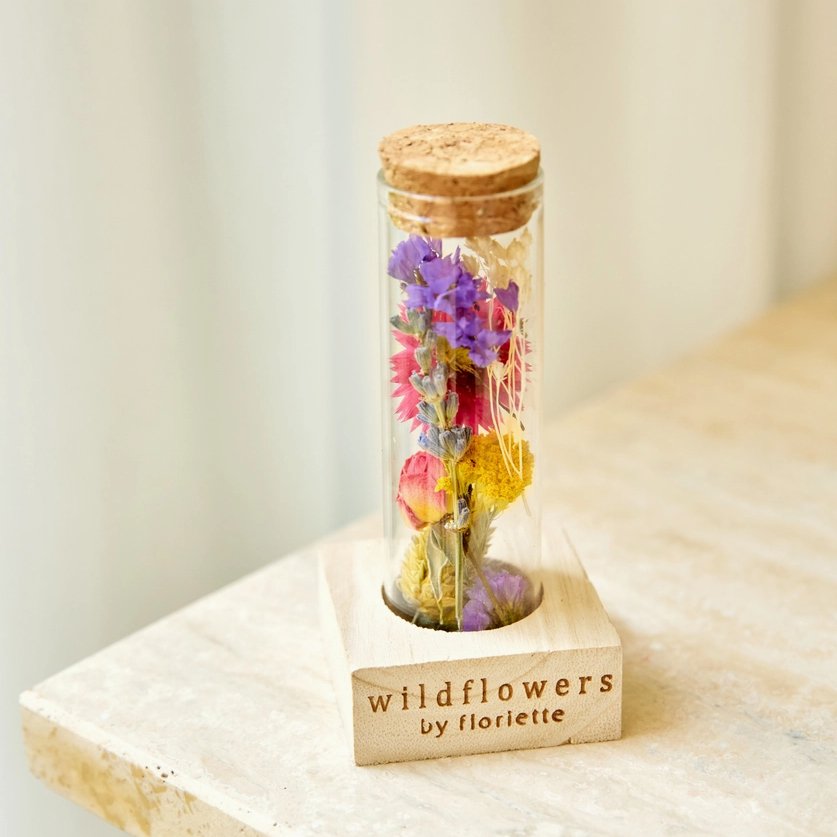
Stunning Handmade Glass Pocket Hearts →
Glass and other crafts
Kiln-formed and blown glass, basketmaking, bookbinding and printmaking are smaller categories but well represented through guilds and craft trails. Search glass artist [county], basketmaker [county] or printmaker [county], and check guild membership where it exists.
Turning a shortlist into a visit
Once you have two or three names, check the studio's own site for opening times, whether visits are by appointment, and whether they ship. Many rural studios welcome visitors only by prior arrangement, and some sell only through markets or fairs. A short email asking 'are you open to visitors, and do you ship within Ireland?' will confirm both.
How to Verify That a Product Is Genuinely Irish-Made
Verification takes a few minutes and saves disappointment later. Work through these checks before you buy:
- Find the maker's name. A real maker is named on their site and in their product details.
- Check the location. Look for a studio address or county, not just "Ireland" in the footer.
- Look for process photos. Images of the workshop, tools, or hands at work are strong evidence.
- Read the product description. Specific details about materials and finishing suggest a genuine maker.
- Ask directly. A short email asking where and how the item is made is a fair question.
Watch out: Be wary of listings that use Irish imagery, such as shamrocks or round towers, as a substitute for a named maker. Decoration alone does not prove where a product was made.
Questions to Ask a Maker About Materials and Production
When you reach a maker, a few well-chosen questions reveal a lot. You don't need to be an expert to ask them:
- Where do you source your main materials, and are any imported?
- Which parts of the product do you make by hand?
- How long does a typical piece take to make?
- Do you finish or package the items yourself?
- Can you explain any variation between pieces?
Friendly, specific answers are a good sign. If a maker is evasive, it's worth looking elsewhere.
Choosing Irish-Made Gifts That Feel Personal
A genuine Irish-made gift can feel far more personal than a generic bundle. Consider what the recipient already loves, then choose a maker whose craft matches it.
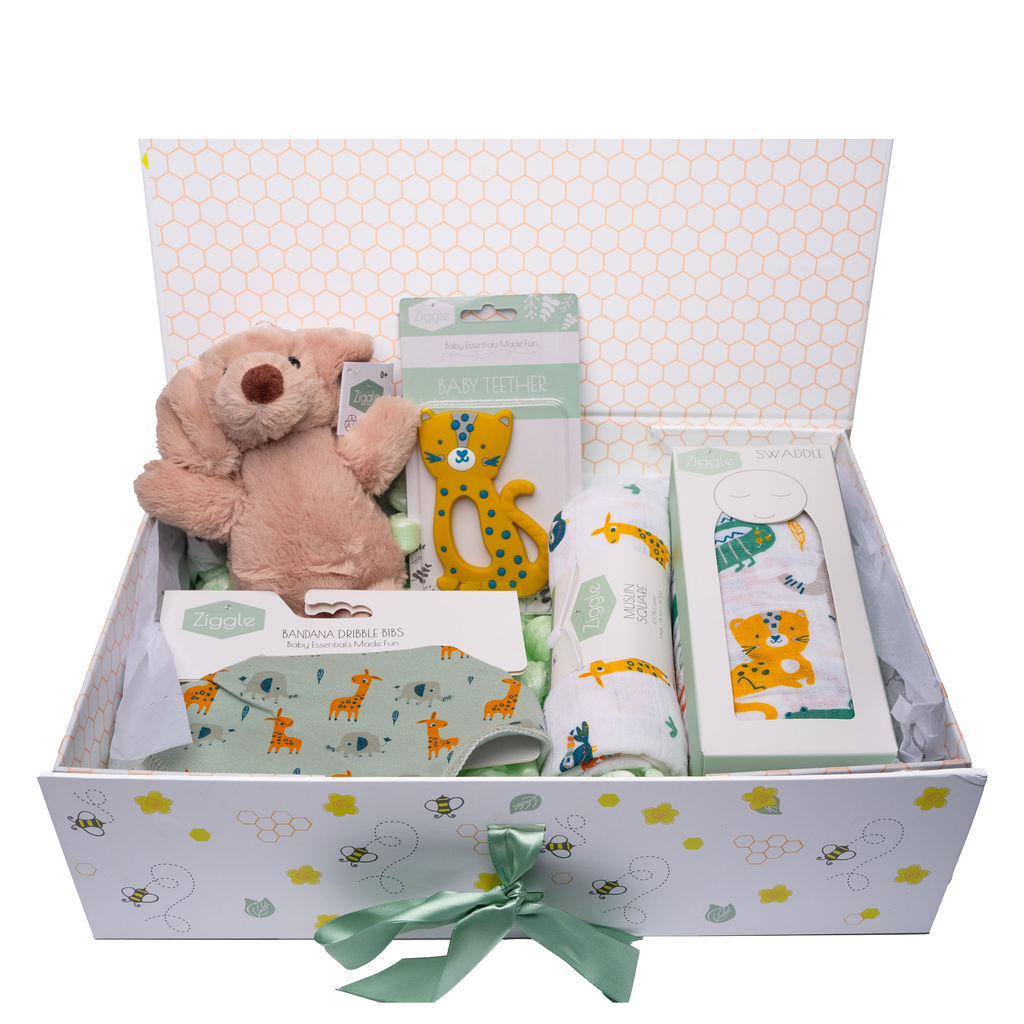
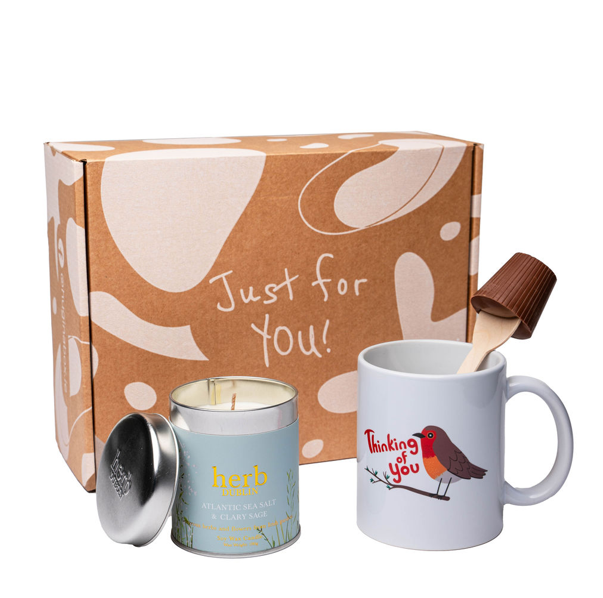
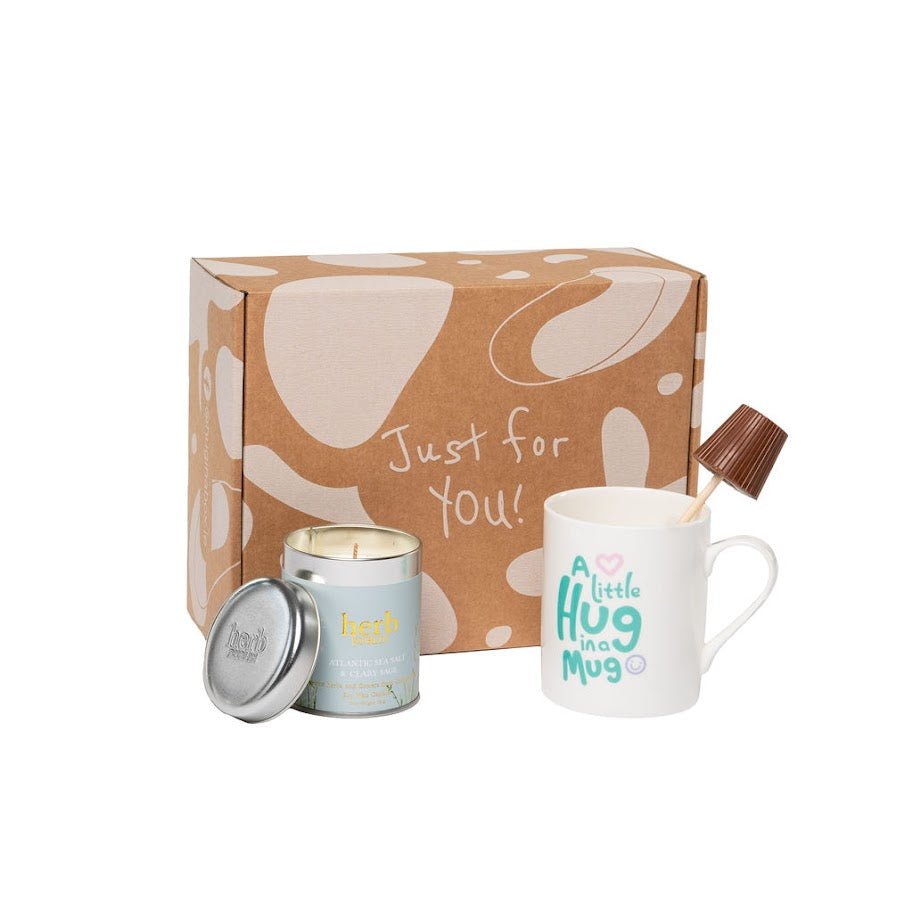
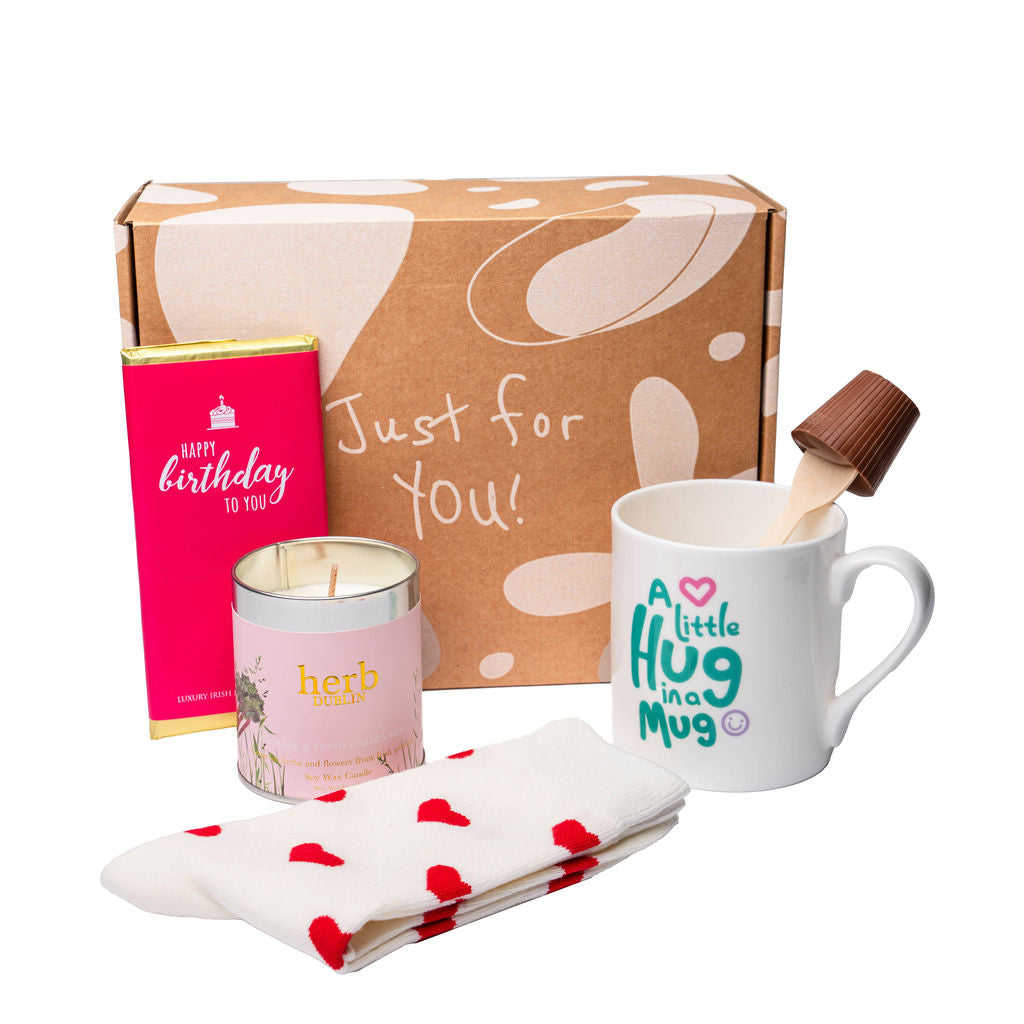
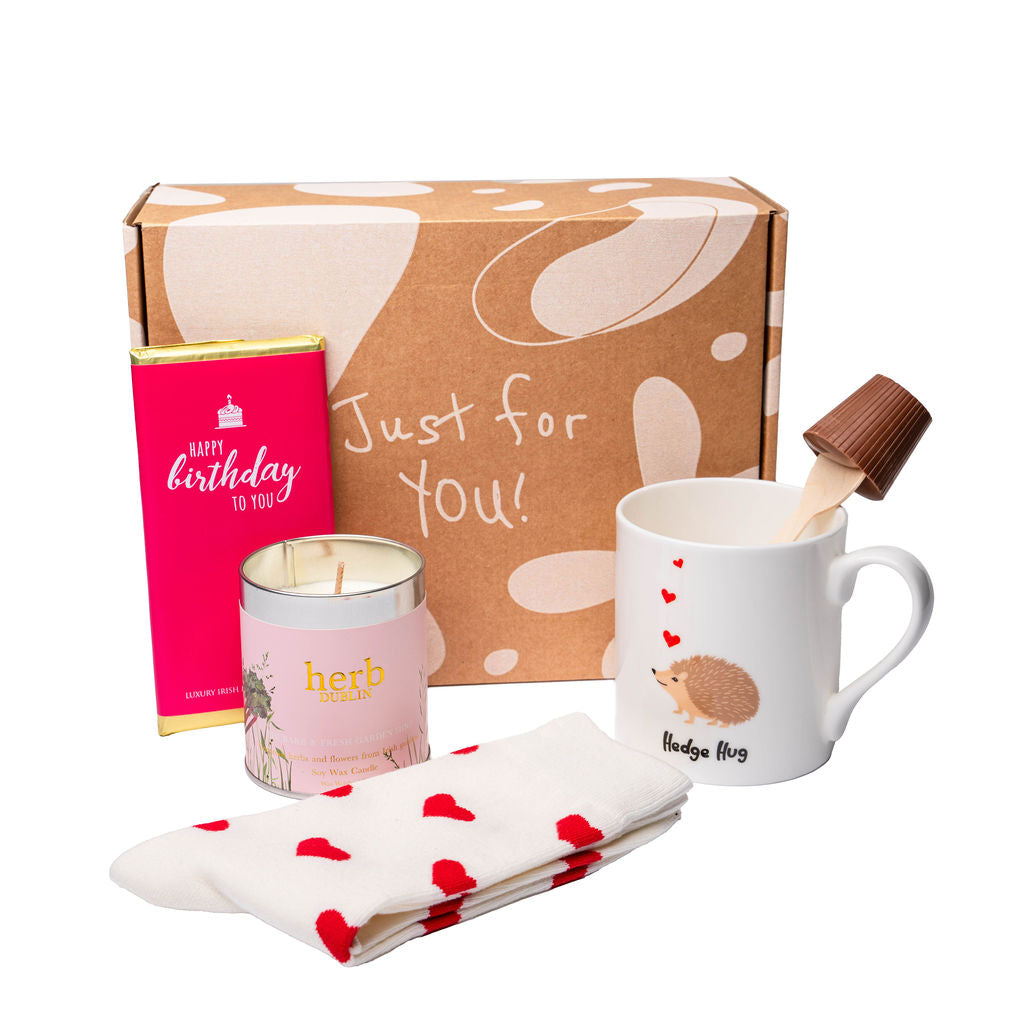
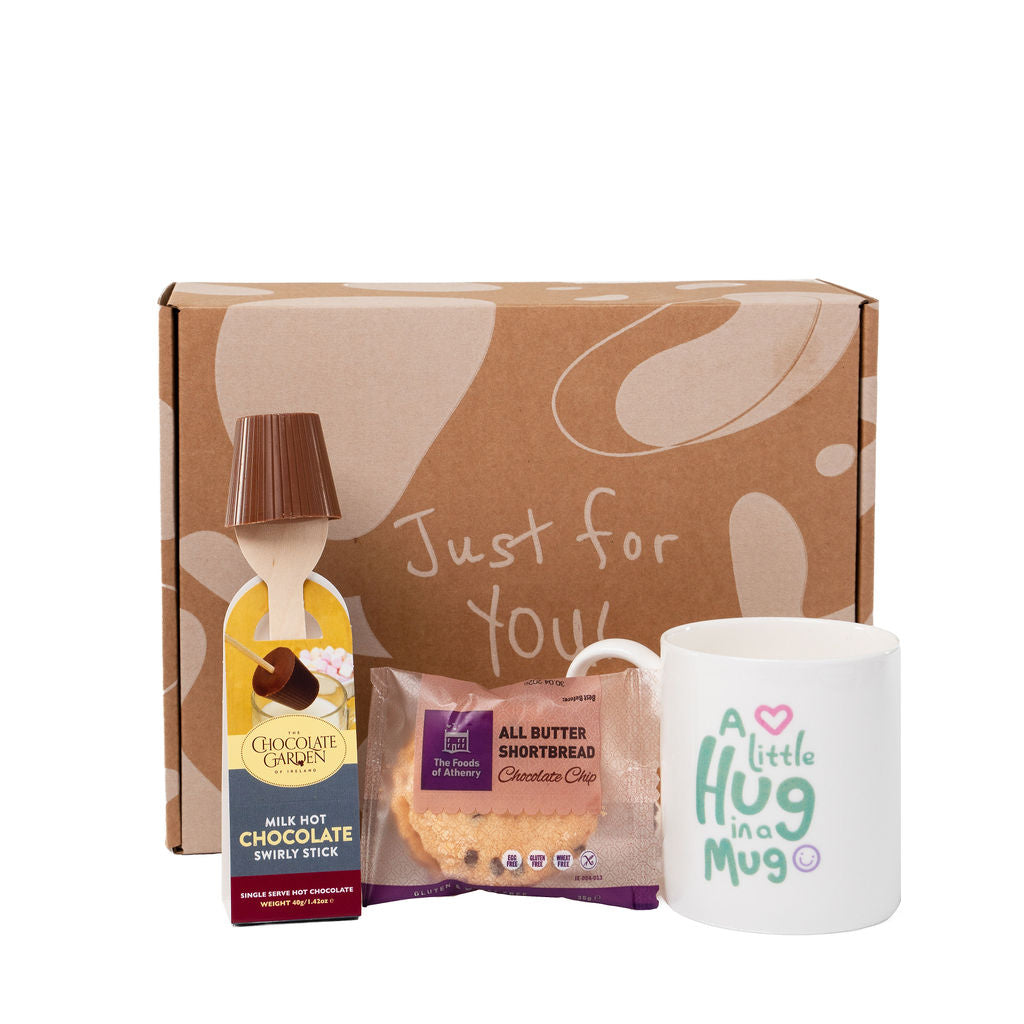
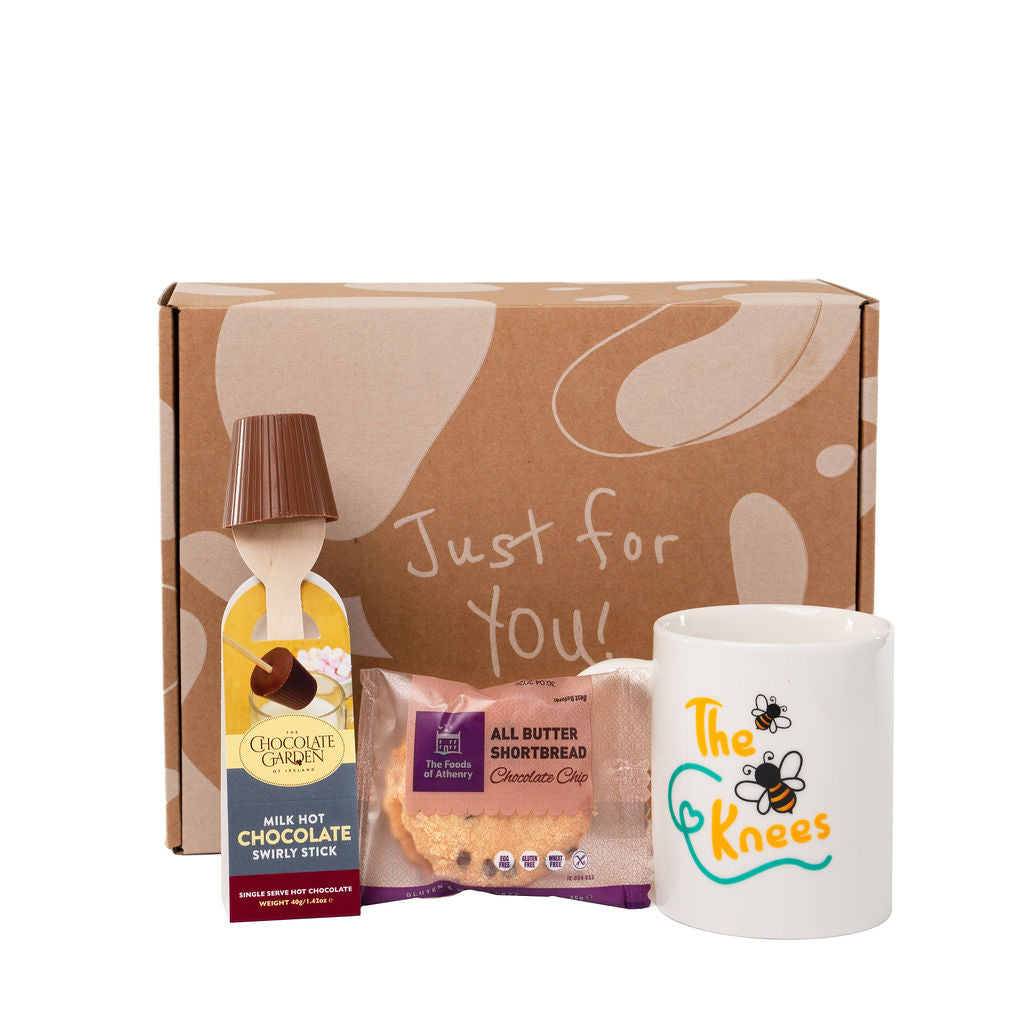
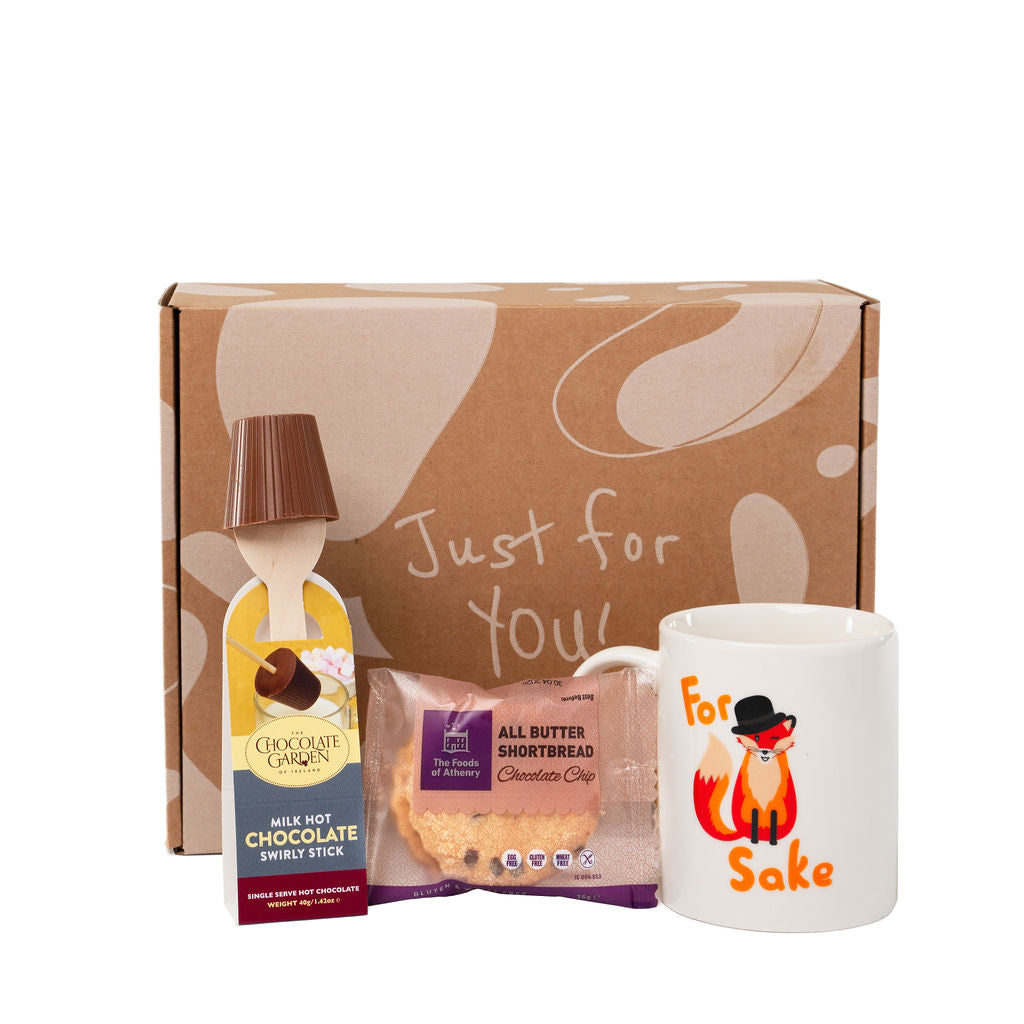
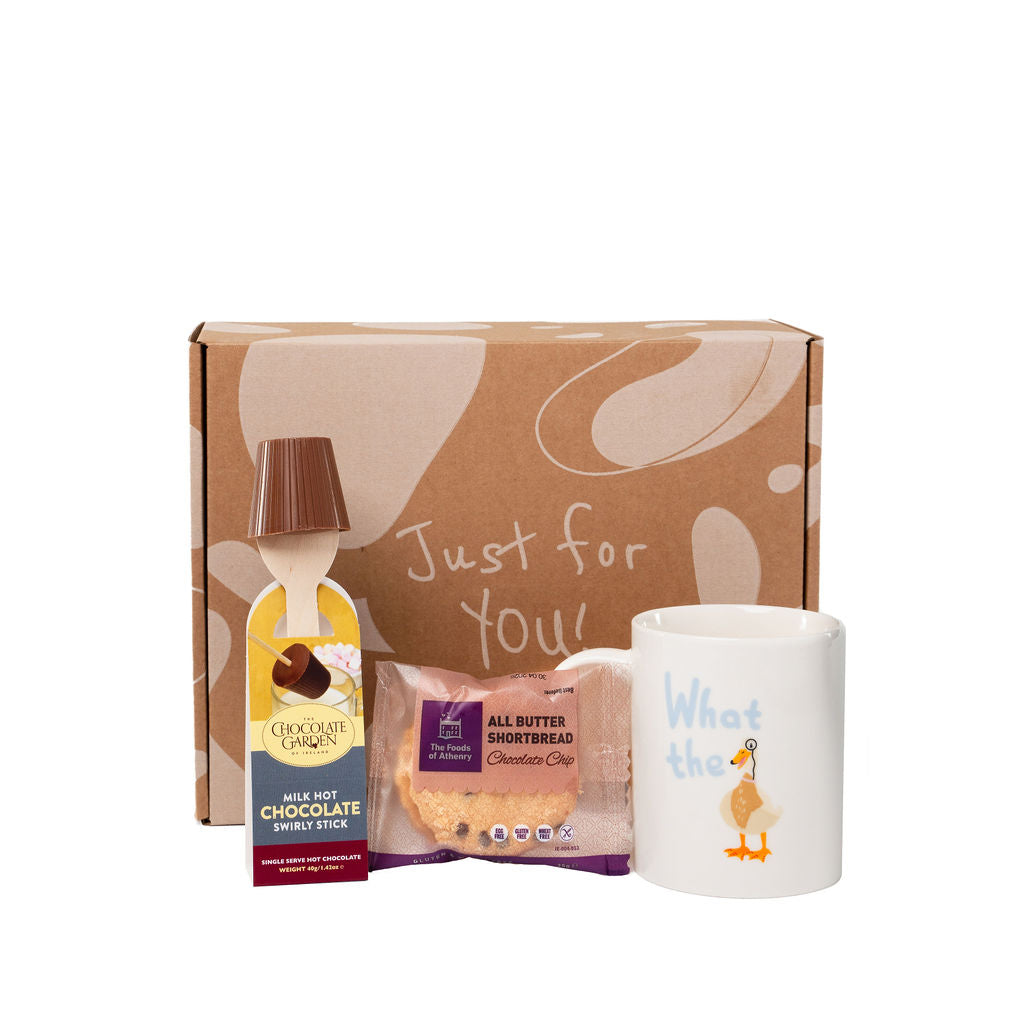
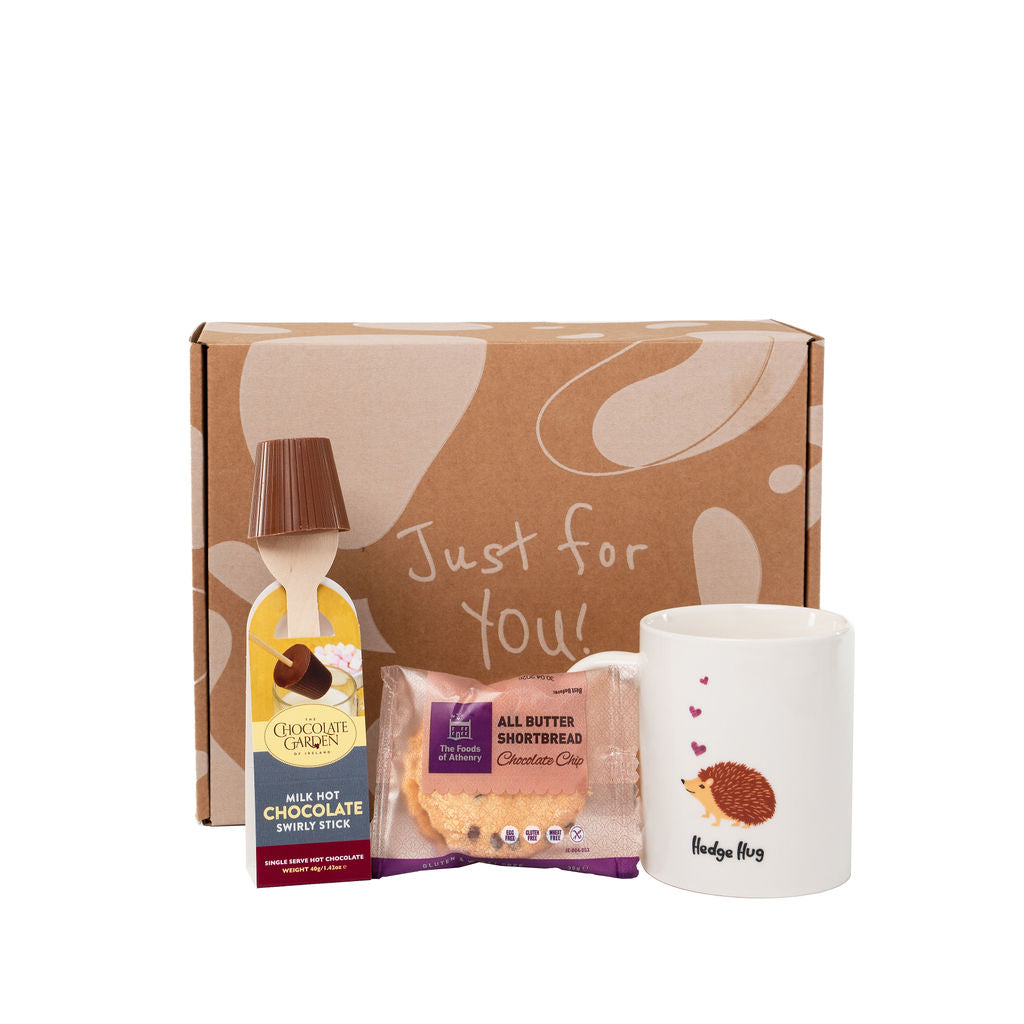
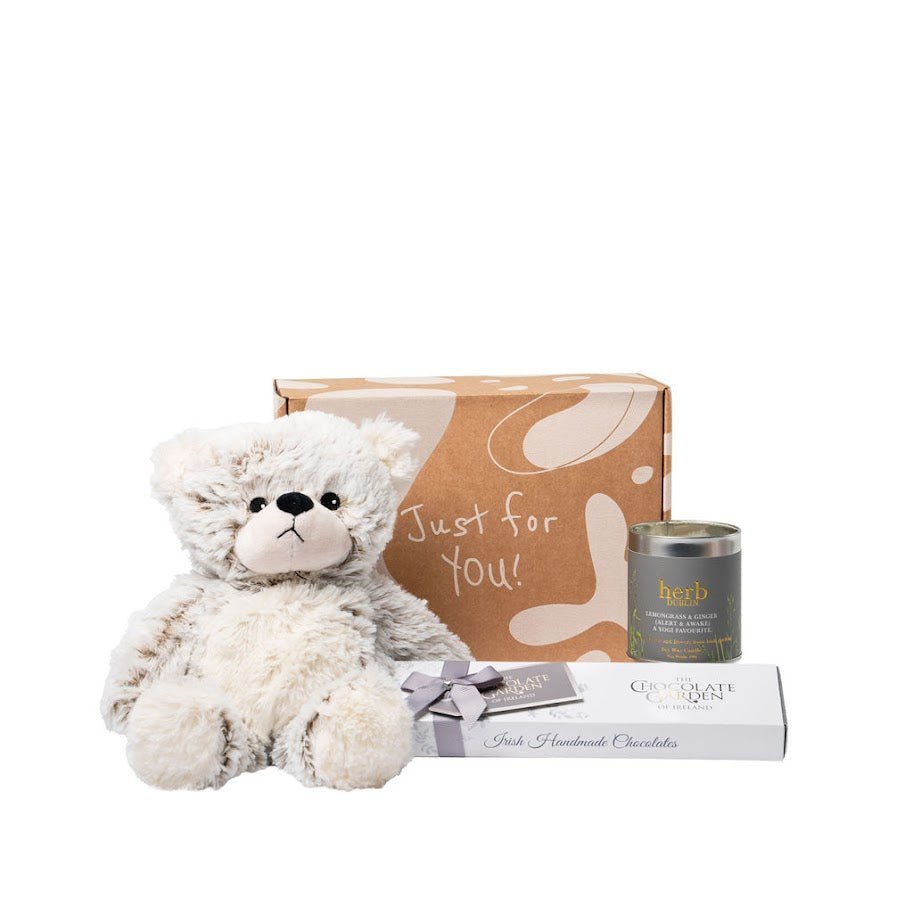
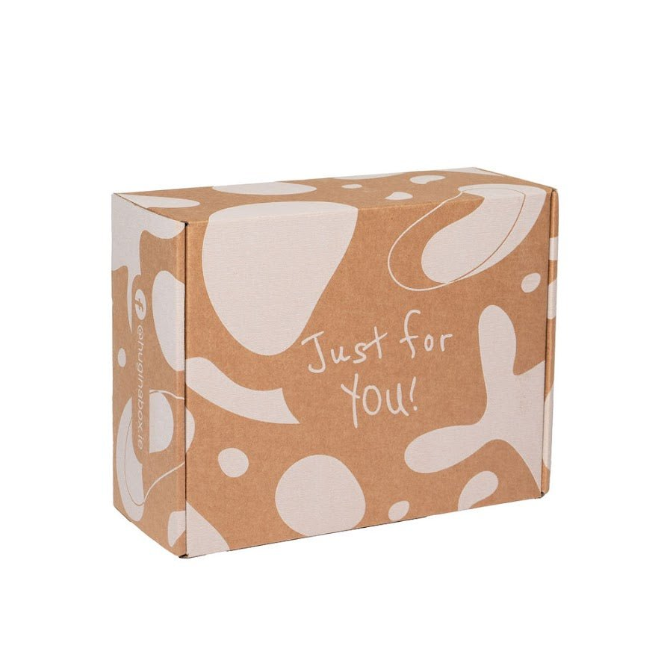
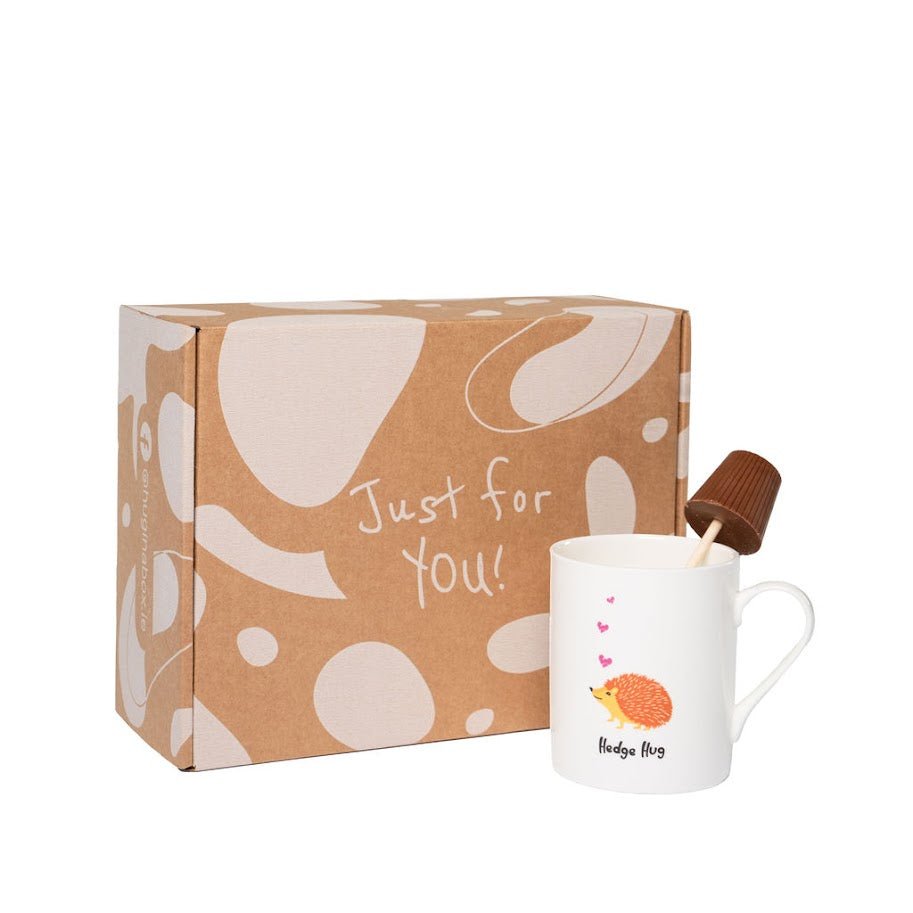
If you want a ready-made option, browse our curated Irish-made gift boxes to see what's currently in the range. If you'd rather tailor the contents, our guide on building your own gift box step by step walks you through choosing each item.
Some practical ideas:
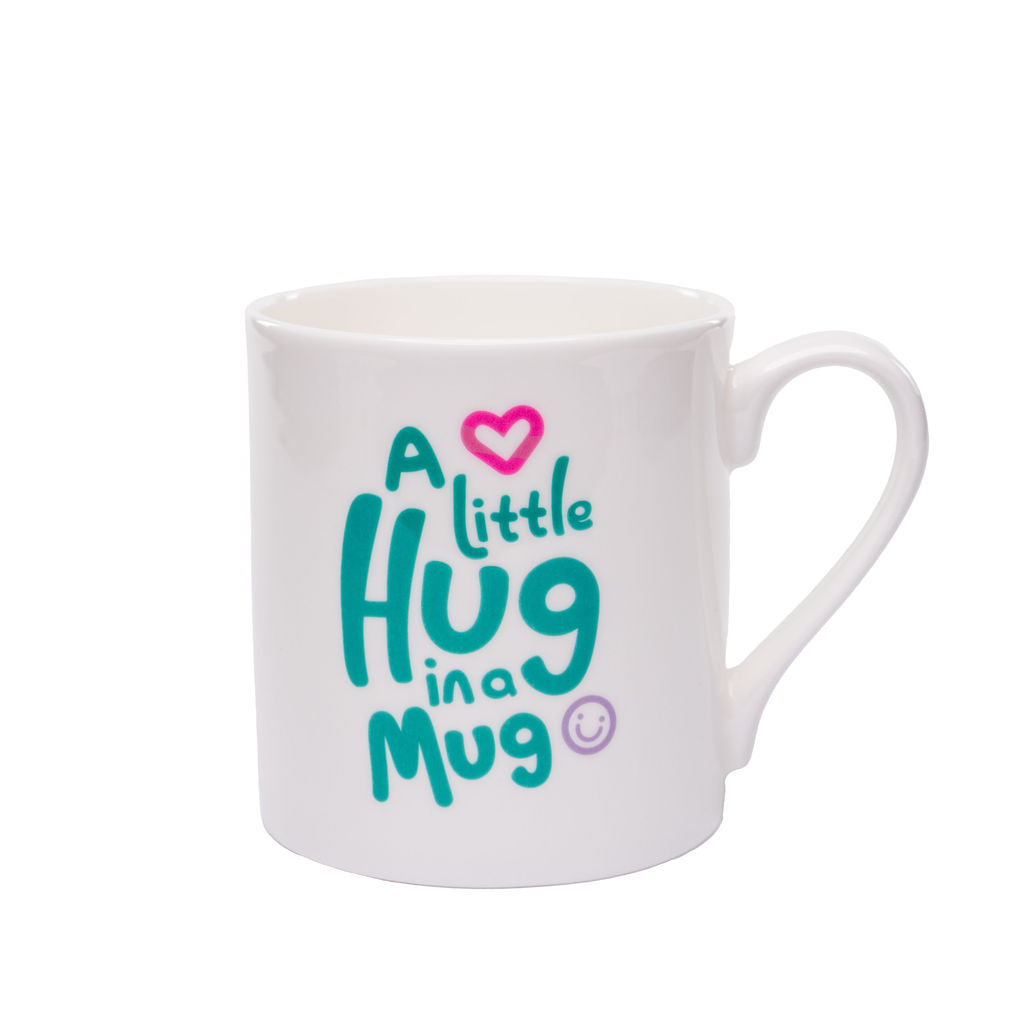
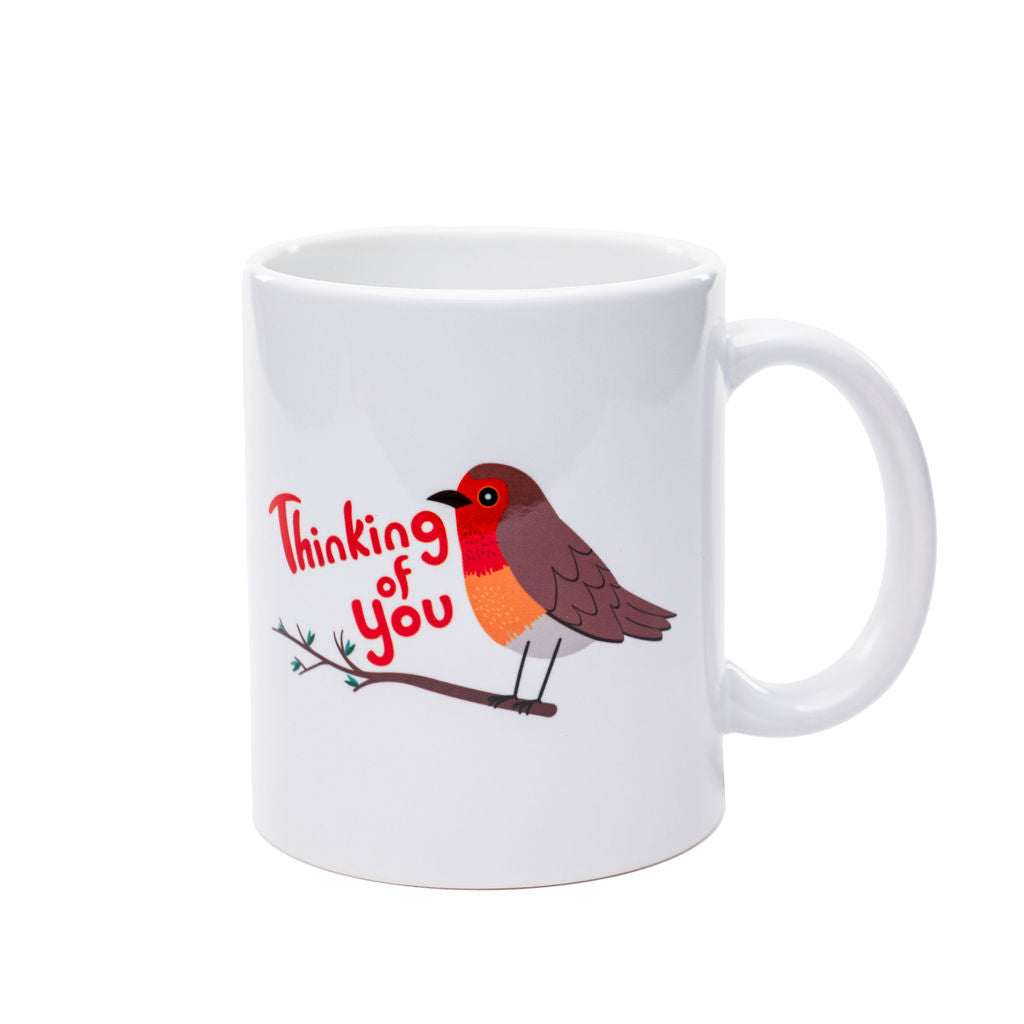
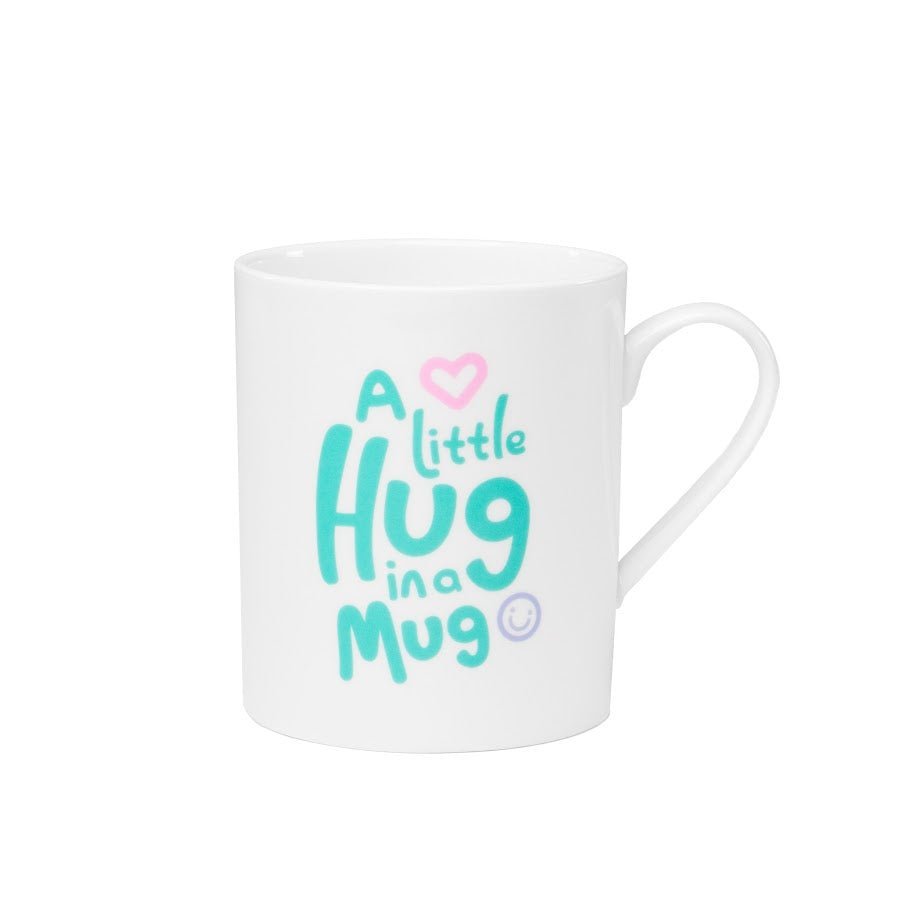
- Match the craft to the person. A pottery mug suits a tea lover, while a wool scarf suits someone who feels the cold.
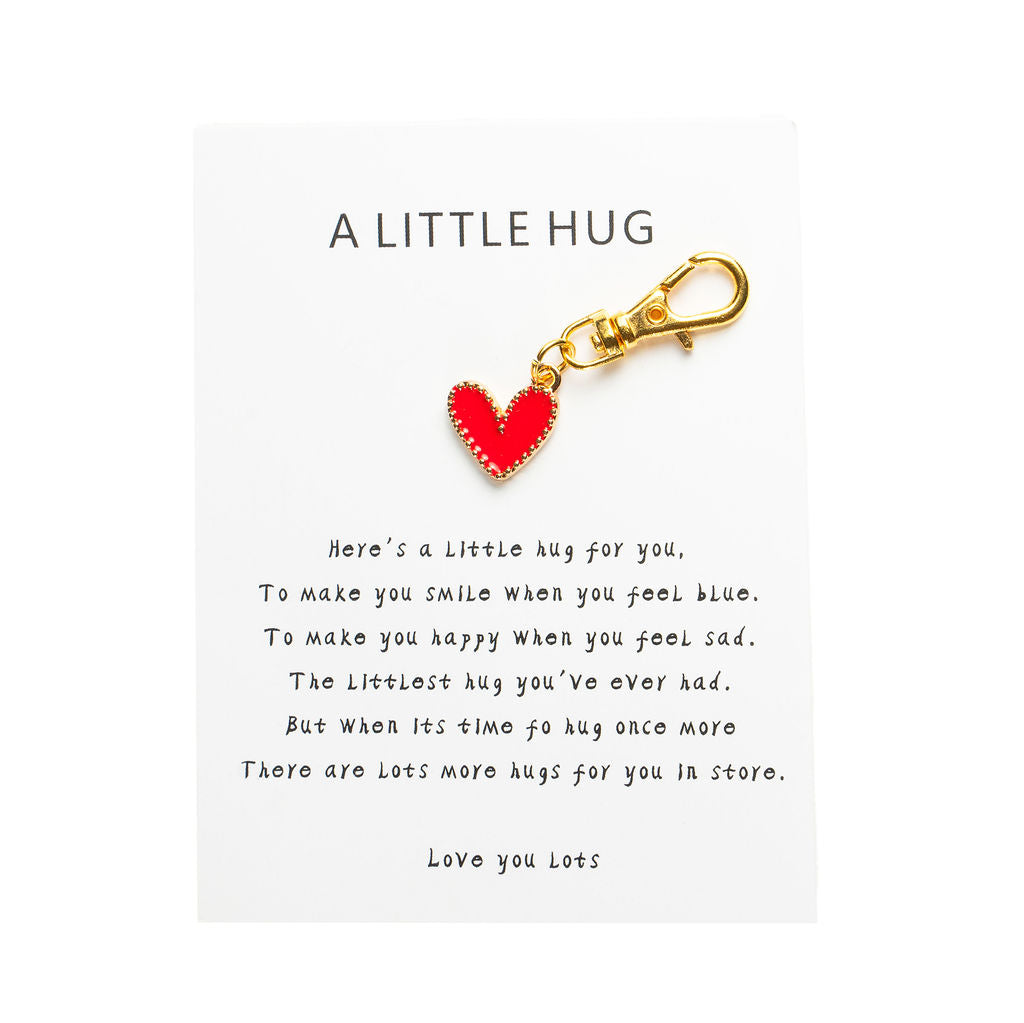
- Add a small handmade touch. A glass pocket heart with a sentiment works well alongside larger items.
- Mix categories. Combining a textile with a small piece of jewellery creates a balanced gift.
Our Stunning Handmade Glass Pocket Hearts (€10.00) are Irish-made and come with a short sentiment, which makes them an easy addition to any box.

Booking Your First Irish-Made Gift Box Order
Ready to order? Plan ahead, especially around birthdays, exam periods, or times of illness. Our delivery takes 1-2 working days across Ireland, and orders over €60 ship free.
For businesses or teams, our corporate gifting service can help you arrange bulk orders. If you're sending a box to a friend or relative, our guide to nationwide delivery explains how orders reach their destination.
If you're deciding between a personalised box and a pre-made hamper, our comparison guide sets out the differences so you can choose confidently.
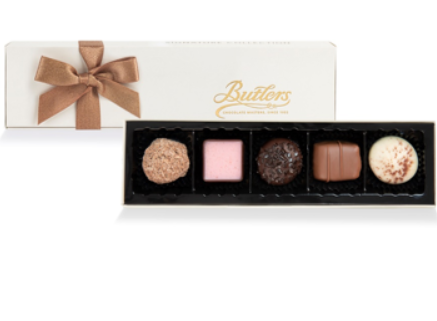
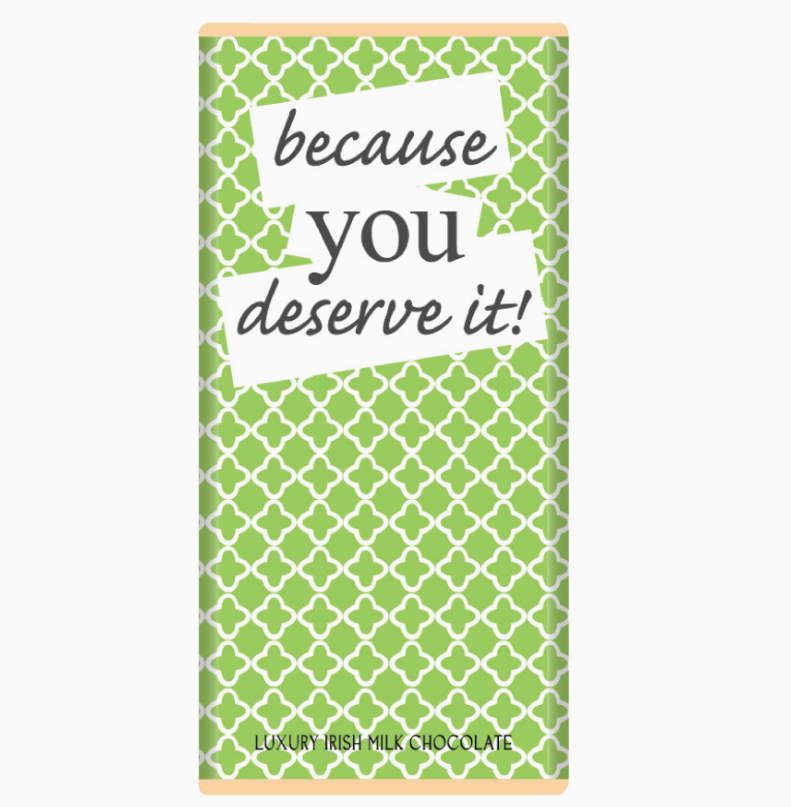
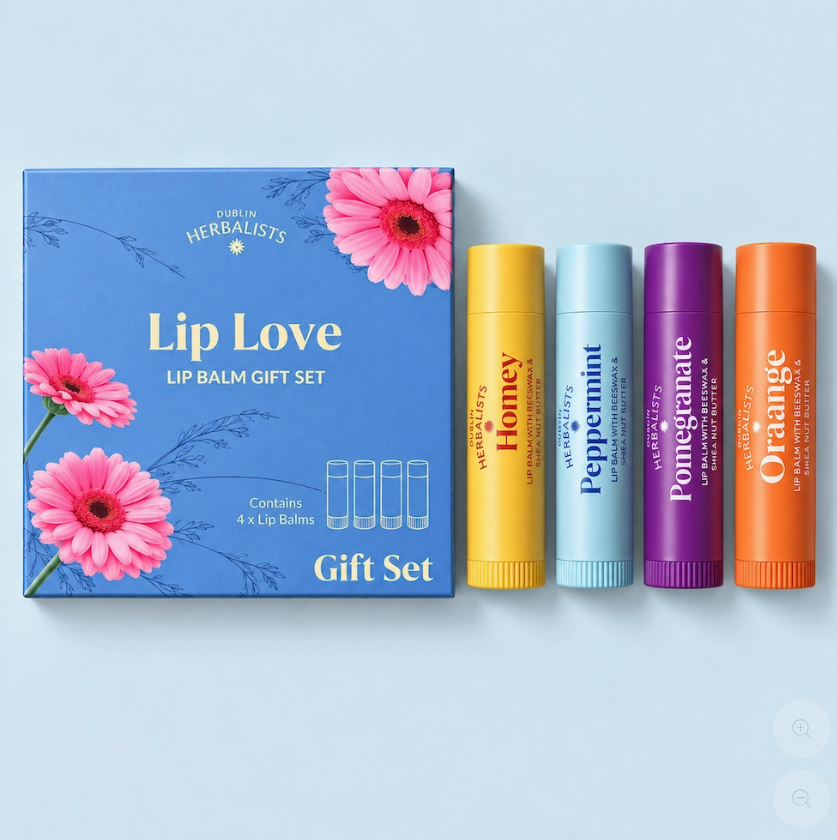
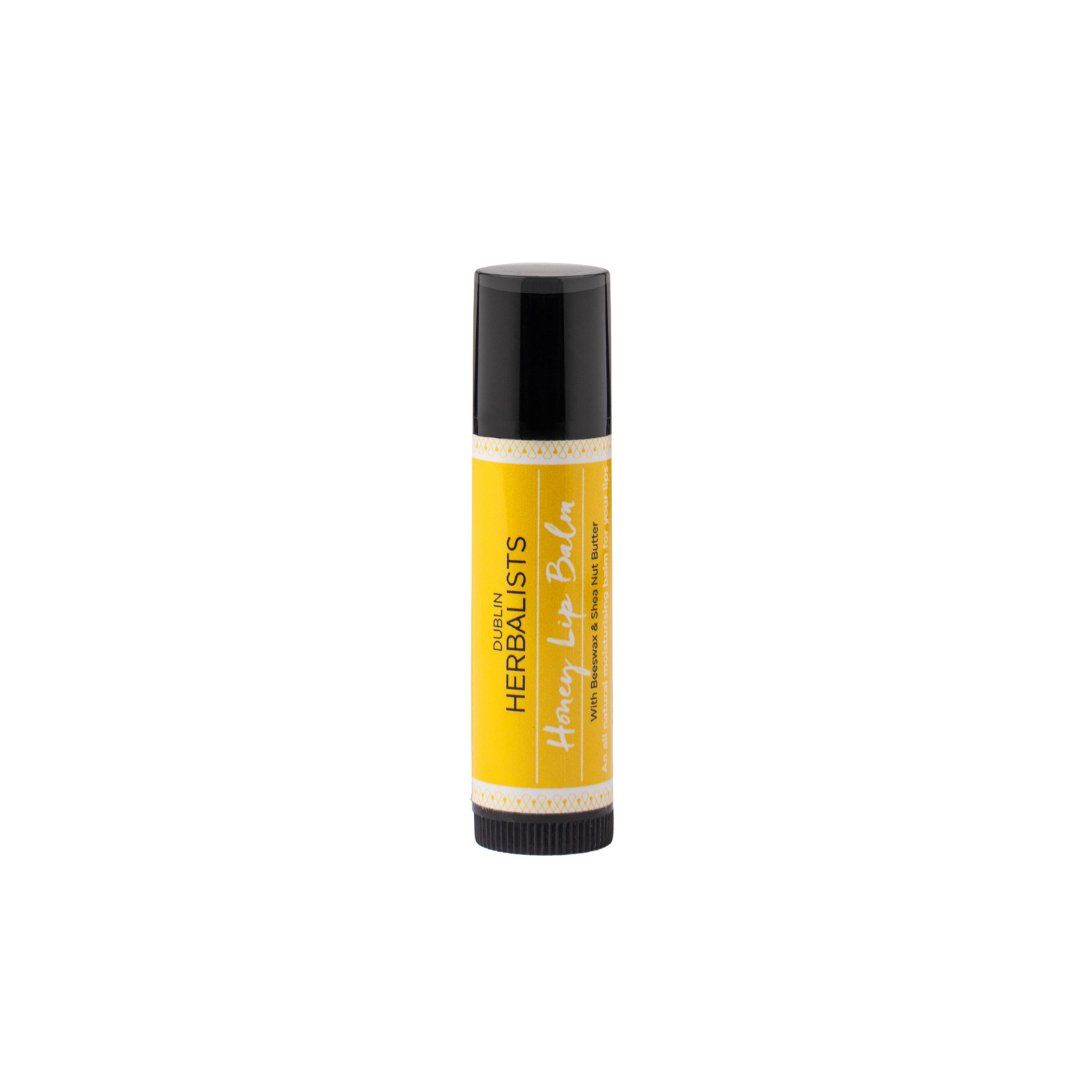
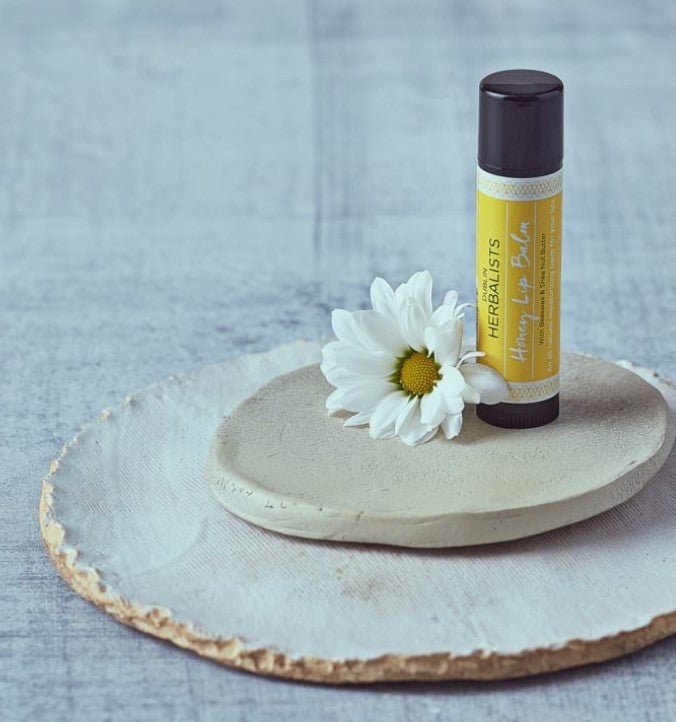
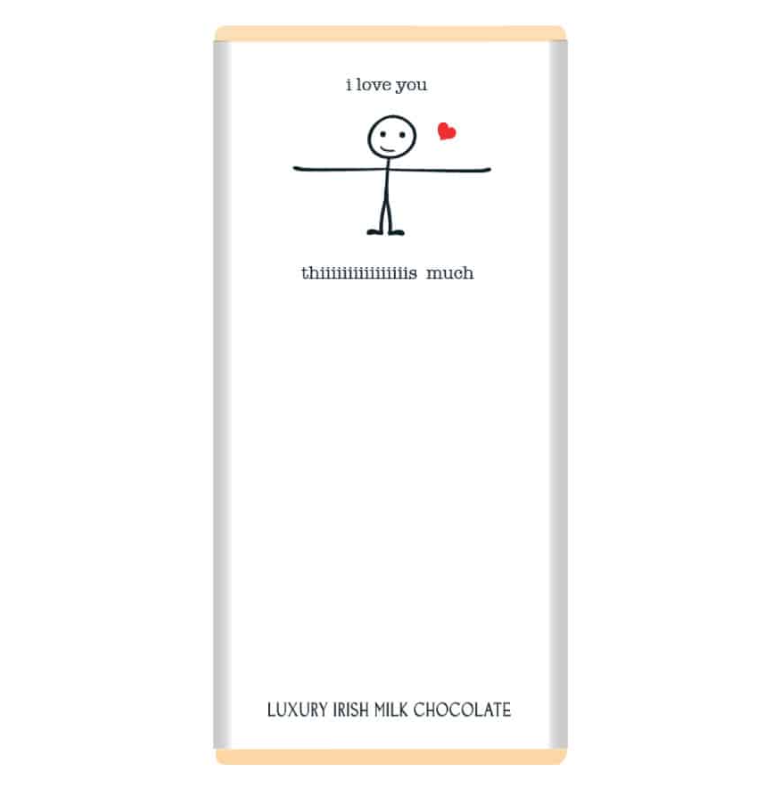
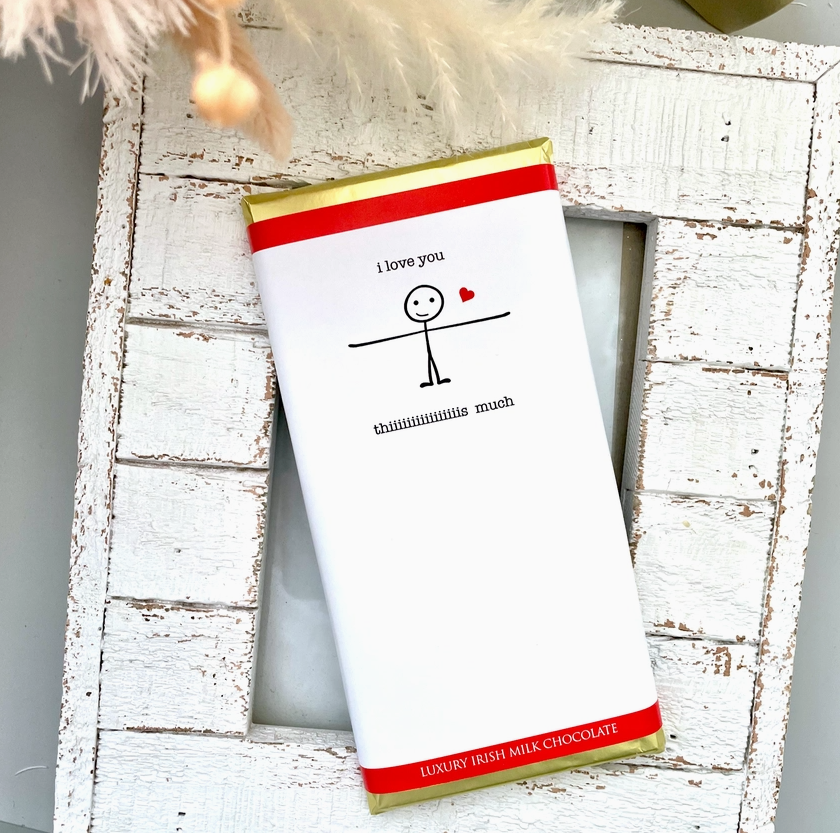
For a box that brightens someone's day, our Dublin Herbalist Lip Balm (€4.95) makes a thoughtful addition alongside the Irish chocolate bars, such as the "I Love You To the Moon and Back" bar (€4.99). Ready to start? Build your box today and send a little warmth to someone you're thinking of.


Frequently Asked Questions
How can you tell whether a product is genuinely made in Ireland?
Check the maker's own website for a clear statement of where and how each item is made, including workshop location and whether materials are sourced locally. Look for named makers rather than generic brand names, and ask for details about the production process if they are not listed. Be cautious of products described as Irish-inspired or designed in Ireland, as these may be manufactured elsewhere. Packaging and labels alone are not reliable proof, so cross-check the details with the seller before buying.
Where can you find independent Irish makers online?
Start with maker directories, regional craft guides and specialist online retailers that list independent craftspeople with their own profiles. Many makers sell directly through their own websites, which often include studio information and a clear account of their process. Searching by craft category, such as pottery or tweed, tends to surface more specific results than a broad search for Irish gifts. Compare several sources to build a shortlist of makers you trust.
What should you ask a maker about how and where a product is made?
Ask where the materials come from, whether the item is made by hand from start to finish, and how long a typical piece takes to produce. Enquire about lead times, minimum order details and whether bespoke work is possible. Good makers are usually happy to explain their process, and a clear, specific answer is a reliable sign of authenticity.
How do you choose Irish-made gifts for someone living abroad?
Choose items that suit the recipient's taste and that travel well, such as a boxed gift set. Pre-assembled boxes save time when you are far away and can be delivered directly to their door. Pick items with a personal story, such as a Stunning Handmade Glass Pocket Heart at €10.00, which is Irish-made and easy to post. Order early to allow for delivery times.



















User Name 2 Days ago
Lorem ipsum dolor sit amet, consectetuer adipiscing elit. Aenean commodo ligula eget dolor.