

Last Updated: 25 October 2026
Quick Summary
To support students during exam season, focus on steady, practical help rather than grand gestures: keep easy food in the fridge, guard their sleep with a set wind-down time, help build a revision timetable with real breaks, and ask what would help today instead of how the study is going. Small daily habits around sleep, food, movement and rest protect their wellbeing.
- Watch for changes lasting a week or more, such as skipping meals, sleeping badly or withdrawing from friends.
- Ask what would help today rather than turning every chat into a progress report on study.
- Ten-minute breaks away from the desk beat ten minutes on the phone.
- A self-care essentials bundle saves up to 15% compared with buying each item separately.
- Encourage outside help if low mood or anxiety persists for weeks or affects daily life.
Table of Contents
- Why Exam Season Support Matters More Than Ever
- How to Help Students with Exam Stress
- Student Wellbeing During Exam Season: Small Habits That Help
- Exam Care Package Ideas for Students
- What to Write in a Student Encouragement Card
- Supporting Students Who Live Away from Home
- When to Encourage a Student to Seek Extra Help
- Build a Care Box That Says You Believe in Them
- Frequently Asked Questions
Why Exam Season Support Matters More Than Ever
Exam season is a pressure cooker. Students juggle revision, deadlines and expectations, often while running on too little sleep. This guide from Hug in a box.ie explains how to support students during exam season in ways that actually help, from small daily habits to a well-timed care package.
The stakes feel high because they are. A single set of exams can shape a college place or a career path. But the support around a student often matters as much as the study itself. A calm room, a proper meal and a kind word can do more than another hour of cramming.
Here is the core idea: support works best when it is steady, not dramatic. Students rarely need a grand gesture. They need someone who notices, who checks in, and who makes the hard weeks a little lighter.
Below, we break down what to watch for, what to say, and what to send.
How to Help Students with Exam Stress
Exam stress is the tension and worry a student feels before and during assessments. A small amount is normal and can sharpen focus. The trouble starts when it builds into overwhelm that disrupts sleep, appetite or study. Persistent anxiety often necessitates a more nuanced approach to supporting student mental health, particularly when signs of deeper emotional distress emerge in those struggling to cope.
Spotting the Signs of Overwhelm
Watch for changes, not just moods. A student who was coping may start to slip in small, visible ways.
- Skipping meals or eating far less than usual
- Sleeping badly, or sleeping far more than normal
- Withdrawing from friends and family
- Snapping over small things
- Endless revision with no breaks
- Saying things like "I'll fail anyway"
One bad day is not a crisis. A pattern that lasts a week or more is worth a gentle conversation. The NHS guide to student mental health offers clear advice on when everyday stress needs more attention.
Practical Ways to Ease the Pressure
Small, concrete actions beat big speeches. Try these:
- Help them build a simple revision timetable with real breaks in it.
- Keep the fridge stocked with easy food they will actually eat.
- Guard their sleep: encourage a set wind-down time and a phone-free bedroom.
- Offer lifts, errands or a quiet hour so they can focus.
- Ask "what would help today?" instead of "how's the study going?"
The last one matters. A common mistake is turning every chat into a progress report. Students already feel watched. Make home the place where they can breathe.
Watch for these changes in a student, and respond with small, practical steps rather than big speeches.
| Sign of overwhelm | Practical way to ease the pressure |
|---|---|
| Skipping meals or eating far less | Keep the fridge stocked with easy food |
| Sleeping badly or sleeping far more | Encourage a set wind-down time and phone-free bedroom |
| Withdrawing from friends and family | Ask "what would help today?" instead of about study |
| Snapping over small things | Offer lifts, errands or a quiet hour |
| Endless revision with no breaks | Help build a revision timetable with real breaks |
| Saying things like "I'll fail anyway" | Have a gentle conversation if the pattern lasts a week |
Student Wellbeing During Exam Season: Small Habits That Help
Student wellbeing during exam season rests on four basics: sleep, food, movement and rest. None of these are luxuries. They are what keeps a brain working when it is tired.
Build habits around these small anchors:
- Sleep first. A steady bedtime does more for memory than a late-night cram.
- Eat properly. Regular meals, water on the desk, and snacks that don't spike and crash.
- Move daily. A short walk clears the head better than another scroll.
- Take real breaks. Ten minutes away from the desk, not ten minutes on the phone.
- Wind down. A calm routine before bed helps the mind switch off.
A lavender pillow mist on the pillow at night is a simple cue that the day is done. It costs little and asks nothing of a tired student. That is often exactly the right kind of help.
Exam Care Package Ideas for Students
An exam care package is a box of practical and comforting items sent to a student during revision or exams. The best ones feel personal, not generic. They say "I see you, and I'm thinking of you" without saying a word.

What to Include in a Thoughtful Box
Build the box around comfort and focus. A good mix covers treats, calm and practical study aids.
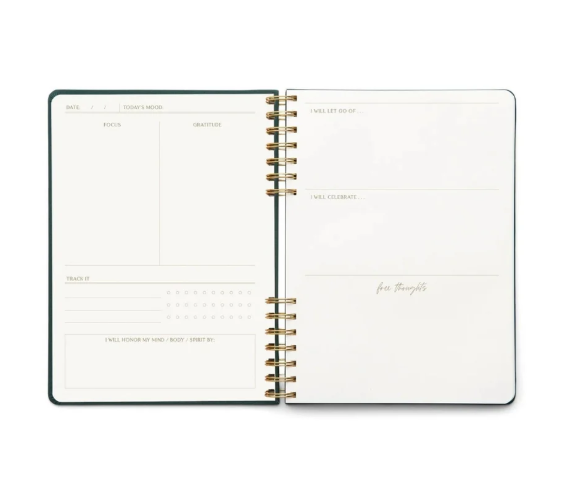
- A guided wellness journal for a few minutes of calm each day
- A notebook for quick notes and to-do lists
- Treats they will actually enjoy, in portions that last
- A cosy pair of socks or a soft blanket
- A mug and a favourite hot drink
- A handwritten card, which is the part they will keep
If you would rather not assemble it yourself, a ready-made self-care bundle takes the guesswork out. Our self-care essentials bundle lets you pick the box, fill it with treats and calm items, and add a card. It saves up to 15% compared with buying each item separately.

For a deeper list of exam-specific ideas, see our guide on what to include in an exam care package.
Journal - Guided Wellness Come As You Are →
What to Write in a Student Encouragement Card
What to write in a student encouragement card is simpler than most people think: keep it short, warm and free of pressure. Skip the grades. Focus on the person.
A few lines that work:
"I'm proud of how hard you're working. Whatever happens, you've got this, and you've got me. Take it one day at a time."
Or:
"You don't have to be perfect. Just do your best and look after yourself. I'm thinking of you."
Avoid "don't mess it up" or "this is the big one." Pressure in a card lands harder than pressure in person. Keep it kind, keep it brief, and sign it by hand.
If you want a card that's ready to write in, our thinking of you card is made for exactly this kind of note.
Supporting Students Who Live Away from Home
Distance changes the job. You cannot stock the fridge or spot a bad day in person. What you can do is stay present in small, regular ways.
- Send a short message at a set time each week. Predictable beats occasional.
- Post something small and useful: snacks, socks, a treat.
- Ask about life, not just exams. Friends, food, sleep, fun.
- Make it easy for them to reply. A voice note is quicker than a call.
For students far from home, a gift that travels well and feels personal does more than a text. Our guide to unique long distance gift ideas has options that arrive with warmth intact.
When to Encourage a Student to Seek Extra Help
Sometimes support at home is not enough. Encourage outside help when stress starts to affect daily life, not just study.
Look for these signs:
- Persistent low mood or anxiety that lasts weeks
- Trouble eating or sleeping for an extended stretch
- Withdrawal from everyone, not just during revision
- Talk of hopelessness or being a burden
If you see these, say it plainly and without alarm. Offer to help them book an appointment with their GP or college support service. The HSE information on mental health services explains the routes to help and how to access them. Reassure them that asking for help is a strength, not a failure.
Build a Care Box That Says You Believe in Them
Exam season is short. The way a student remembers it lasts much longer. A calm word, a stocked kitchen and a box that arrives at the right moment all say the same thing: you are not alone in this.
At Hug in a box.ie, we build curated gift boxes filled with Irish-made treats and comforting items, made to arrive when someone needs a lift. You can build your own box, choose from ready-made sets, and add a handwritten card. We deliver in 1-2 working days, with free delivery in Ireland over €60. Our customers rate us 4.90 stars from 357 reviews.
Get started with Hug in a box.ie and send a little warmth to a student who needs it this week.
Frequently Asked Questions
How can I support a student during exam season without adding pressure?
Focus on practical help and steady reassurance rather than results. Offer to handle small tasks like cooking a meal, sending a care package, or simply checking in with a warm message. Avoid asking about grades or comparing them to others. Let them know your support is unconditional, and remind them that one exam does not define their worth. Small, consistent gestures during exam season often mean more than grand declarations.
What should I put in an exam care package for a student?
A good exam care package balances comfort and usefulness. Include a guided wellness journal or notebook for brain dumps, a few favourite snacks, a cosy pair of socks, and a handwritten card with encouraging words. A build-your-own gift box lets you choose items that suit their taste, from chocolates to candles. Keep it simple and personal: the message matters as much as the contents.
How do I know if a student's exam stress needs professional help?
Watch for persistent changes such as trouble sleeping, skipping meals, withdrawing from friends, or feeling unable to cope for more than a week or two. If they express hopelessness or panic that interferes with daily life, encourage them to speak to their GP or college counselling service.
What can I write in an encouragement card for a student?
Keep it specific and sincere. Instead of 'good luck', try 'I've seen how hard you've worked, and I'm proud of you no matter what'. Mention a quality you admire, remind them to rest, and offer a concrete gesture like a phone call after the exam. Avoid clichés and keep the tone warm. A short, personal note tucked into a care box often becomes a keepsake they return to during tough days.

















































































































User Name 2 Days ago
Lorem ipsum dolor sit amet, consectetuer adipiscing elit. Aenean commodo ligula eget dolor.