

In today’s competitive workplace, employee appreciation is more than just a nice gesture. Recognising the contributions of staff can significantly impact team motivation, productivity, and overall workplace satisfaction. Employees who feel valued are more engaged, committed, and willing to go the extra mile. This article explores why showing appreciation matters, the benefits it brings, and practical ways to implement recognition in your organisation, including thoughtful gestures like a hot chocolate gift treat from Hug in a Box.
Understanding Employee Appreciation
Employee appreciation refers to recognising and valuing the efforts, skills, and achievements of staff members. Appreciation can be formal, such as awards or bonuses, or informal, like a simple thank-you note or verbal recognition. The key is sincerity and consistency.
Why Appreciation Matters
- Enhances Motivation: When employees know their work is acknowledged, they are more motivated to maintain and improve performance.
- Strengthens Relationships: Appreciation fosters trust and mutual respect between colleagues and management.
- Promotes Retention: Employees who feel valued are more likely to remain loyal to an organisation, reducing turnover costs.
- Encourages Engagement: Recognition leads to higher levels of engagement, creativity, and collaboration.
Appreciation is a cornerstone of effective leadership and organisational culture. Without it, even high-performing teams may struggle to maintain morale.
The Link Between Appreciation and Motivation
Motivation in the workplace is influenced by multiple factors, including recognition, growth opportunities, and a supportive environment. When employees feel appreciated, it addresses intrinsic motivational needs, such as self-worth and belonging.
Motivating Employees Through Recognition
There are several practical ways to boost motivation through appreciation:
- Personal Acknowledgment: A simple “thank you” or verbal praise can reinforce positive behaviour and effort.
- Team Celebrations: Recognising team milestones fosters a sense of collective achievement.
- Professional Development: Offering learning opportunities shows that you value employees’ growth.
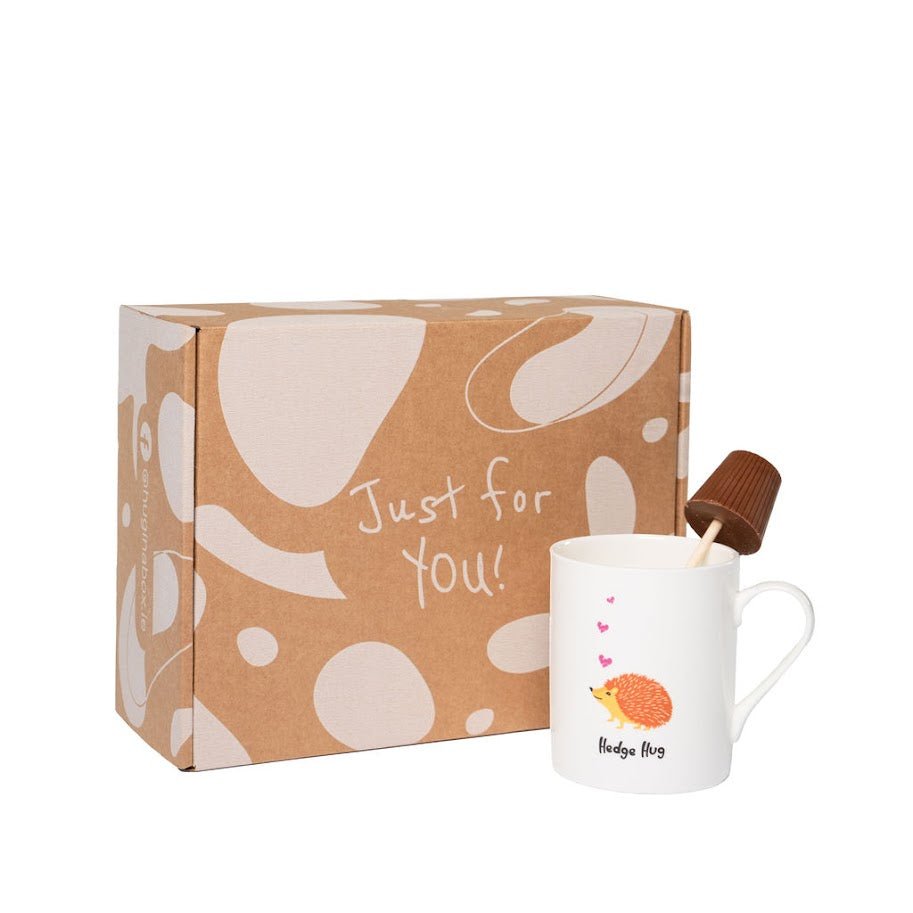
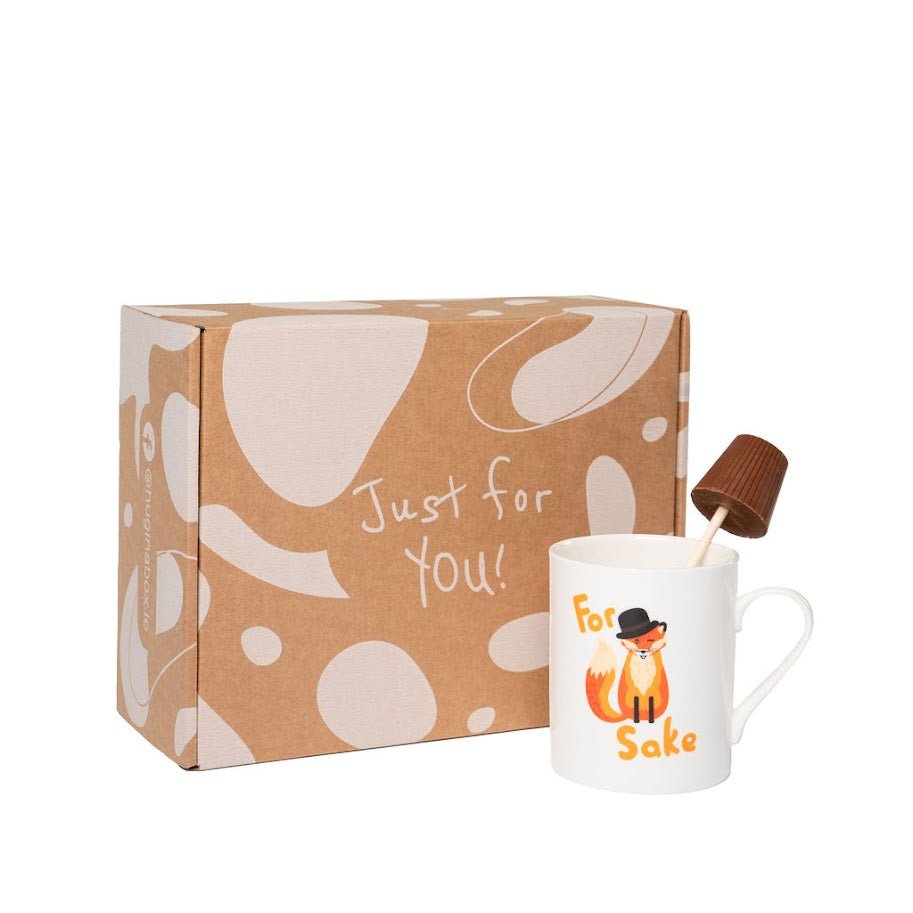
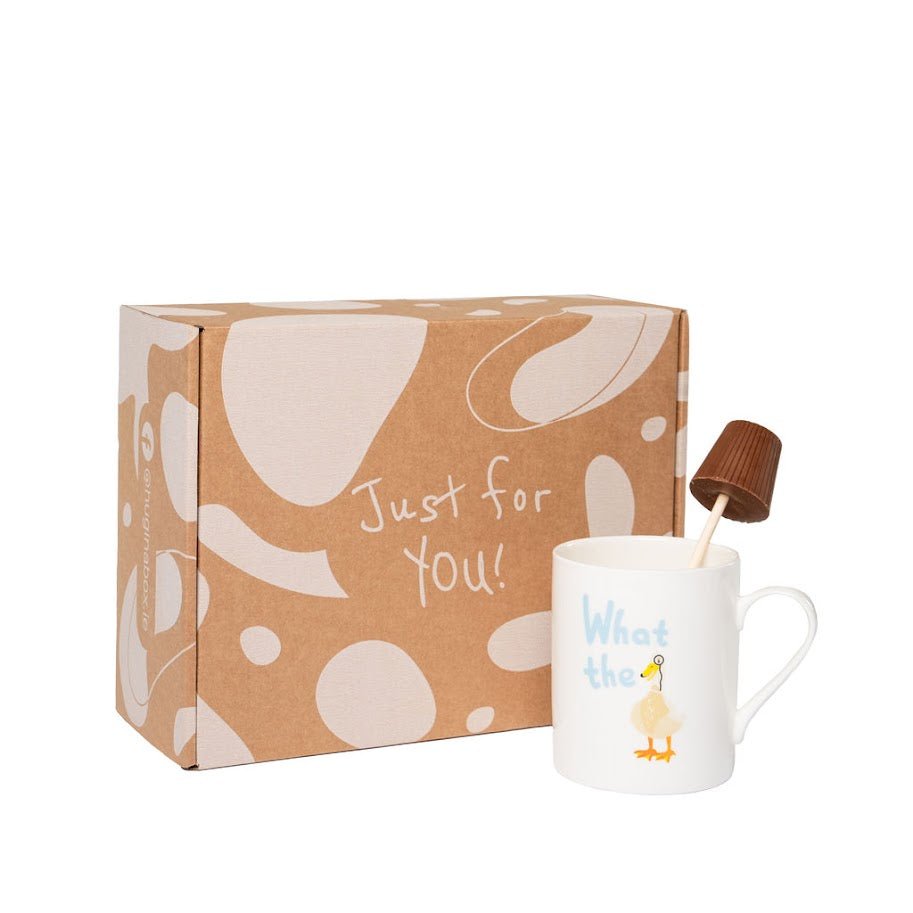
- Thoughtful Gifts: Small tokens of appreciation, like a hot chocolate gift treat from Hug in a Box, combine warmth and recognition, making staff feel remembered and valued.
By incorporating these strategies, organisations can create environments where motivation thrives naturally.
The Benefits of Employee Appreciation for Organisations
Investing in appreciation initiatives has measurable benefits for both employees and employers.
Increased Productivity
Employees who feel valued are more likely to invest their energy and focus into their work. Recognition signals that their efforts matter, which encourages consistent performance and higher productivity.
Better Workplace Culture
Acknowledging contributions fosters a positive, inclusive culture where employees feel respected. A supportive environment reduces conflicts, improves communication, and encourages collaboration.
Reduced Turnover
High turnover is costly and disruptive. Appreciation reduces attrition by creating a sense of loyalty and satisfaction. Employees who feel recognised are less likely to seek opportunities elsewhere.
Stronger Leadership
Leaders who prioritise appreciation model positive behaviour, demonstrating empathy and attentiveness. This creates a feedback-rich environment where everyone feels empowered to contribute ideas and solutions.
Practical Ways to Show Appreciation
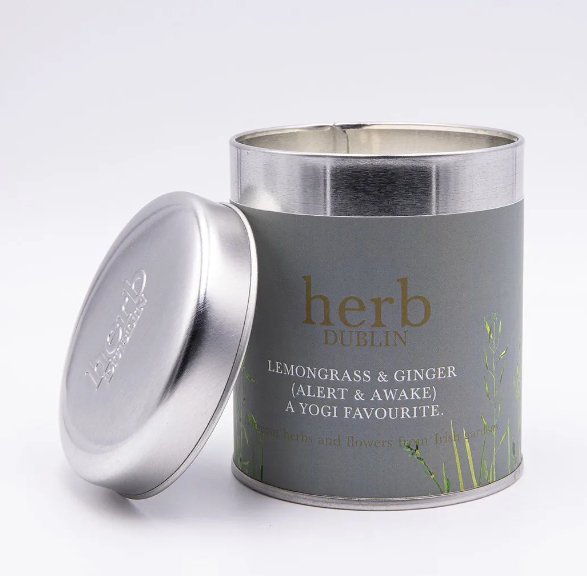
Employee appreciation does not need to be complex or expensive. Simple, thoughtful approaches, such as a scented gift candle, often have the most significant impact.
Informal Recognition
- Thank-You Notes: Personalised messages acknowledging specific achievements.
- Shout-Outs in Meetings: Public recognition can reinforce a culture of appreciation.
- Peer-to-Peer Recognition: Encouraging team members to recognise each other builds camaraderie.
Formal Recognition
- Awards and Certificates: Highlighting exceptional performance motivates others to excel.
- Performance Bonuses: Tangible rewards can accompany verbal or written recognition.
- Celebratory Events: Annual or quarterly recognition events strengthen team bonds and morale.
Thoughtful Gestures
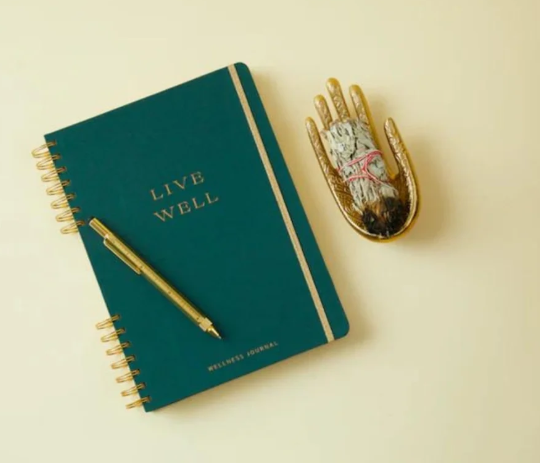
Small, considerate gifts can make a big difference. A hot chocolate gift treat or a curated Hug in a Box collection can communicate appreciation in a meaningful, personal way.
The Role of Leadership in Appreciation
Effective leadership is critical in fostering a culture of appreciation. Leaders set the tone, demonstrating how recognition is integrated into daily operations.
Characteristics of Appreciative Leaders
- Empathy: Understanding the efforts and challenges of team members.
- Consistency: Recognition should be regular, not limited to major achievements.
- Transparency: Explaining why certain contributions are valued ensures clarity.
- Inclusivity: Appreciating all employees, not just high performers, reinforces fairness.
By modelling these behaviours, leaders inspire their teams to adopt similar practices, creating a ripple effect throughout the organisation.
Common Challenges in Employee Appreciation
Even well-intentioned organisations may face obstacles when implementing recognition programmes.
- Overlooking Informal Efforts: Day-to-day contributions may go unnoticed if leaders focus only on major achievements.
- Inconsistent Recognition: Sporadic appreciation can feel insincere or unfair.
- One-Size-Fits-All Approach: Not all employees value the same types of recognition; personalisation is key.
- Cultural Differences: Organisations with diverse teams need to consider cultural sensitivities in recognition practices.
Creating a Sustainable Appreciation Strategy
A long-term approach to appreciation ensures it becomes part of the organisational DNA rather than a one-off initiative.
Steps to Build an Appreciation Culture
- Assess Current Practices: Evaluate how recognition is currently handled and identify gaps.
- Set Clear Objectives: Define what you want to achieve through appreciation programmes.
- Personalise Recognition: Tailor messages, rewards, or gifts to individual preferences.
- Encourage Peer Recognition: Empower employees to acknowledge each other’s contributions.
- Monitor and Adjust: Gather feedback to ensure appreciation remains meaningful and impactful.
Examples of Appreciative Gestures That Work
- Celebratory Notes: A hand-written thank-you note recognising effort or creativity.
- Gift Treats: A small gesture, such as a hot chocolate gift treat, can brighten a team member’s day.
- Milestone Recognition: Commemorating work anniversaries, project completions, or personal achievements.
- Team Experiences: Organised lunches, outings, or wellness sessions reinforce a sense of belonging.
Conclusion: Making Appreciation a Priority
Employee appreciation is not a luxury; it is essential for team motivation and long-term organisational success. Recognising staff contributions strengthens workplace culture, encourages engagement, and boosts productivity. Thoughtful gestures, like a hot chocolate gift to treat or curated collections from Hug in a Box, can complement verbal recognition and help employees feel valued. By integrating appreciation into daily practices and leadership behaviours, organisations can build motivated, committed, and high-performing teams. Explore the Hug in a Box collections today to find thoughtful ways to celebrate your team and make recognition a meaningful part of your workplace culture.









































































































User Name 2 Days ago
Lorem ipsum dolor sit amet, consectetuer adipiscing elit. Aenean commodo ligula eget dolor.